
Menu
Chickens
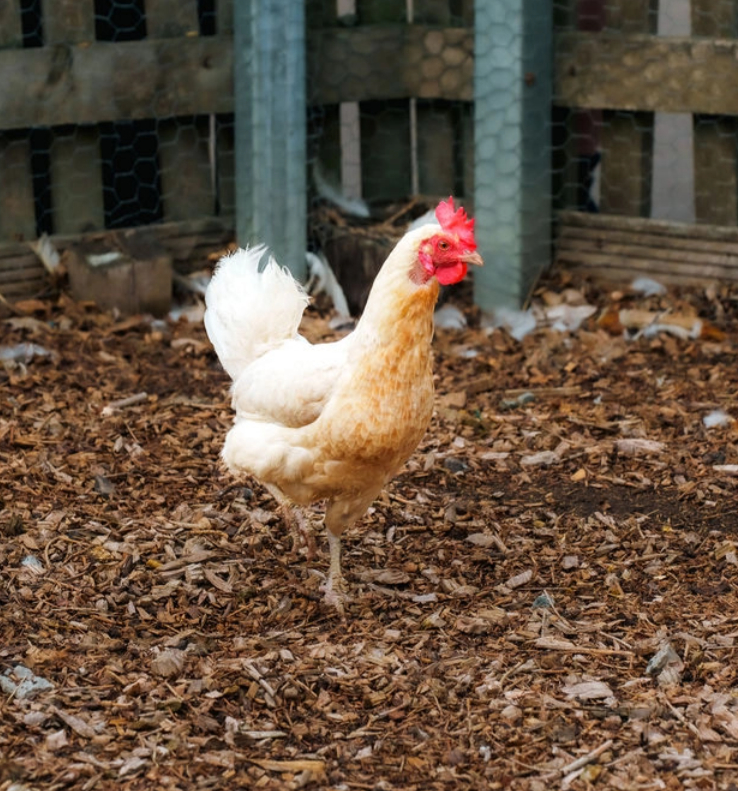

origin
Worldwide. Were supposedly domesticated 8000 years ago in south east Asia
sex
Male (Rooster, Cockerel) / Female (Hen)
weight
4-9 Ibs
height
10-15 inches
Lifespan
5-10 years depending on quality of life and breed
animal population
23 billion and risingDid you know?
- A group of chickens is known as a ‘flock’. Males can be told apart from females by their more extravagant feathers or ‘plumage’.
- Hens make a ‘Cluck-Cluck’ sound, whilst cockerels have a ‘cock-a-doodle-doo’ call. Chickens cannot fly but can flap their wings enabling them to travel short distances off the ground.
- Chickens have a fleshy crest on their head known as a ‘comb’ and dangly fleshy parts on either side of the beak known as ‘wattles’. These are larger and more noticeable in males.
- Hens will lay their first eggs when around 6 months old but these will not hatch unless they have been fertilised by a rooster. A hen can lay up to 300 eggs a year.
- Many people find eggs delicious to eat! They can be boiled, fried, poached and scrambled on toast! Eggs yolks and whole eggs are a good source of protein.
- Chickens are omnivores. This means they eat seeds, pellets and even small insects and mammals.
- When an egg becomes fertilized it takes approximately 21 days for it to hatch. The hen will incubate her eggs by sitting on her ‘clutch’ to keep them warm. When the egg hatches the newborn is called a ‘Chick’. You can often find chicks around our farm.
- Chickens are a primary food source. Chicken meat is very high in protein and low in fat.
Where to next?
Tortoises
Highland Cows
Pigs
Meerkats