
Menu
Llama
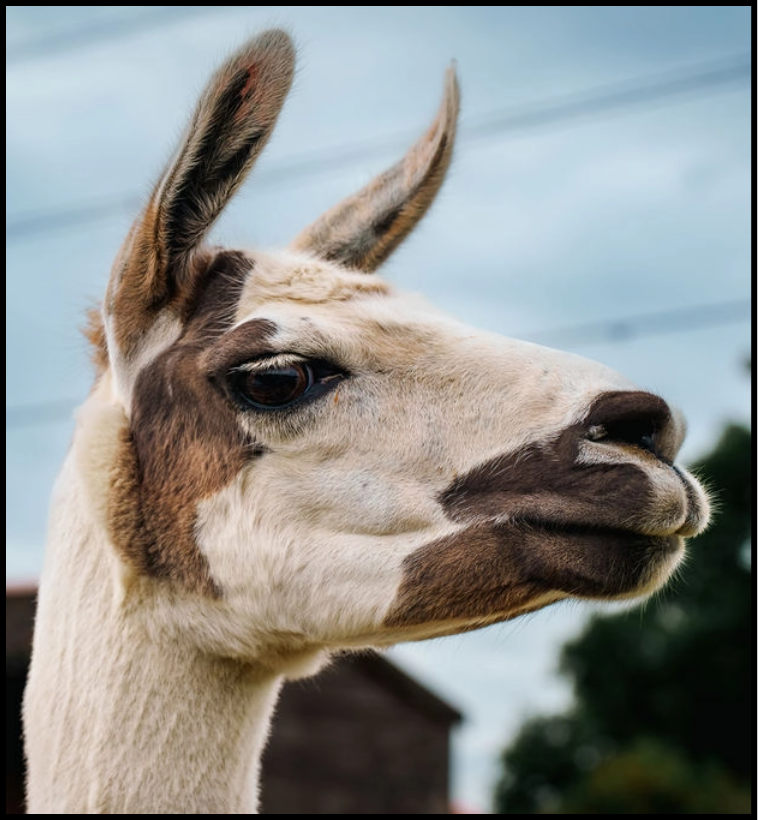

origin
South America - Bolivia, Peru, The Andes, Ecuador and Chile
sex
Male (Macho) / Female (Hembra / Dam)
weight
up to 400 Ibs
height
up to 6ft at the head
Lifespan
20 years
animal population
The Llama claims to have the largest population of domestic South American Camelids, with 63% being in Bolivia. In 2007 a census assessed there were 7 million llamas in South America.Did you know?
- On the 13th May 2010, Old MacDonald's Farm welcomed, Elliot, Hugo, Tarzan, Manuel and Mozart to their new home! It didn’t take long before they all settled in well and it appears that Manuel is leader of the pack!
- There are 4 types of Llama, the Ccara, Curaca, Lanuda and Tampuli. The alpaca is a common relative with the same origin. However, the llama is much taller and generally larger, with a longer head and distinctive banana shaped ears.
- Llamas were domesticated some 6000 years ago, by the Ancient Inca people of Peru. They are still very popular.
- Llamas are very useful animals they can be used to carry loads, pull carts and protect herds of sheep from predators.The llama, like the donkey, is also known as the ‘Beast of Burden’.
- The Spanish Empire, following their invasion of South America in 1528, used llamas to transport ore and other precious materials down from the mountains.
- Llama’s, like sheep, are farmed for their fleece.
Where to next?
Goats

Shetland Ponies

Tortoises
Highland Cows